Project Details
- Rob’s house
- 24th March 2020
- Marilin De Aragon
- UI/Ux Design
Project Description
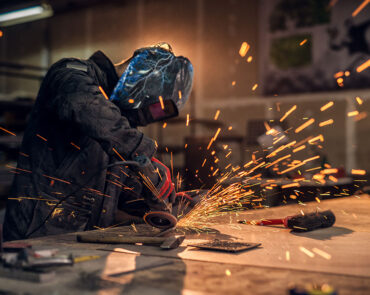
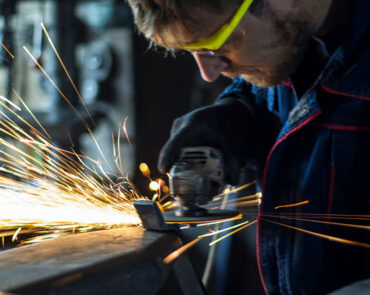
In standard machining, a skilled machinist operates equipment, removing or shaping steel. This is done according to the requirements provided by designers and developers, generally through an engineering drawing or blueprint. They utilize turn wheels, switches, dials, vises, chucks, as well as a selection of cutting devices made from set carbide, steel, and industrial diamond, then use measurement instruments to ensure all measurements are correct.

Large CNC machines perform the same functions as typical machining—metal cutting, milling, drilling, grinding, boring, and other metal shaping and removal operations—but they use computer numerical control rather than manual control by a machinist. They are automated, driven by code, and created by designers. The precision of the first cut is the same as the 500th. Widely used in electronic manufacturing, and sometimes in low-volume production runs, they can be modified and altered for changes and various materials.
What is the Challenge for the client?
CNC machining utilizes subtractive processes, meaning feedstock is machined to its final form by subtracting and removing material. Holes are pierced, slots and pathways are bored, and steel stock is shaped into new products with varying tapers, sizes, and forms.